Best Recovery Tips After the Gym – Hendon Sports Massage Expert
After a tough gym session, recovery is just as important as training itself. Without effective recovery, muscles remain tight, fatigue builds, and performance declines. At our Hendon sports massage clinic, we see many gym-goers struggling with soreness and stiffness that could easily be managed through evidence-based recovery strategies — including massage, mobility work, and sleep optimisation.
1. Understand Delayed Onset Muscle Soreness (DOMS)
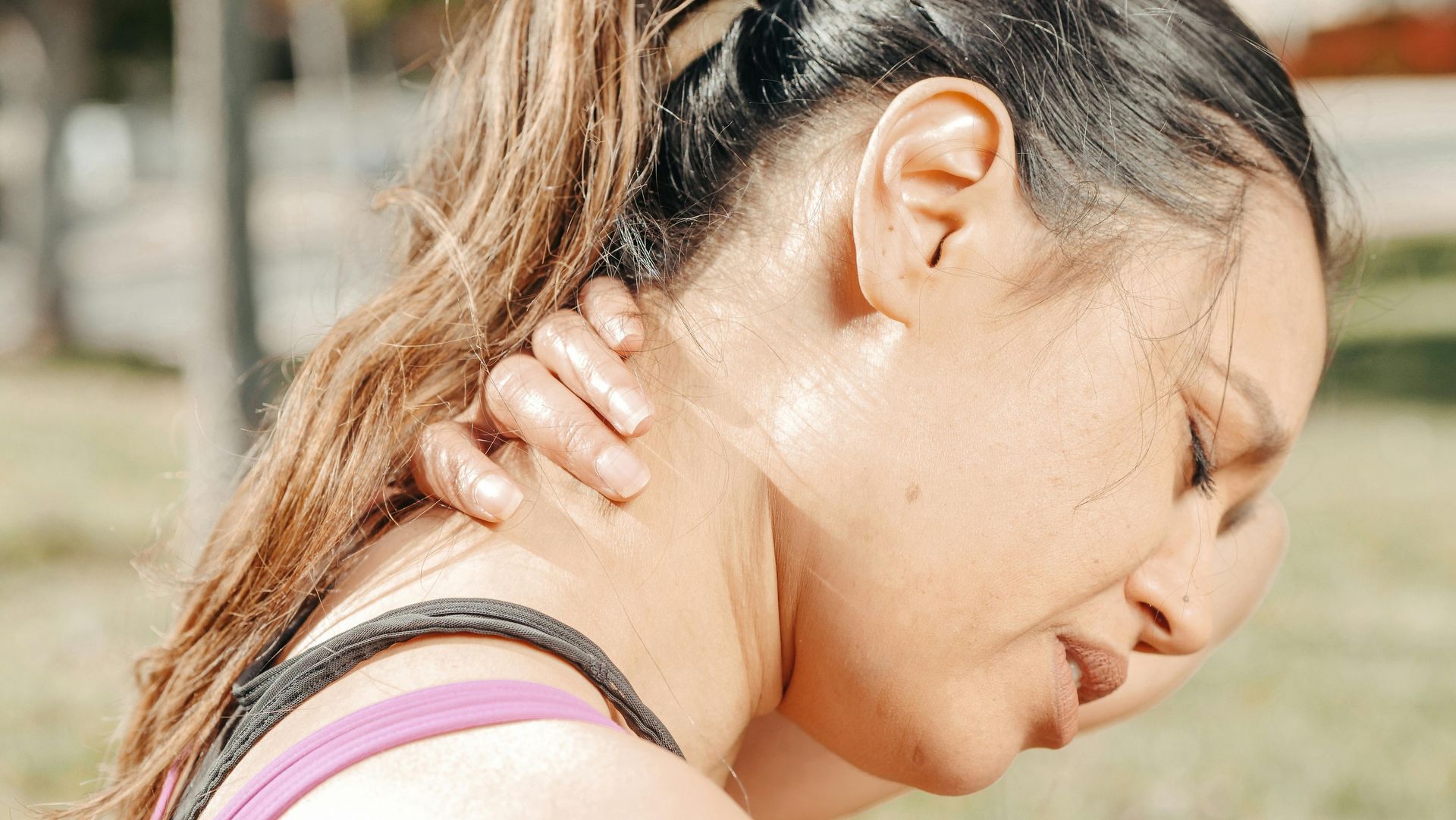
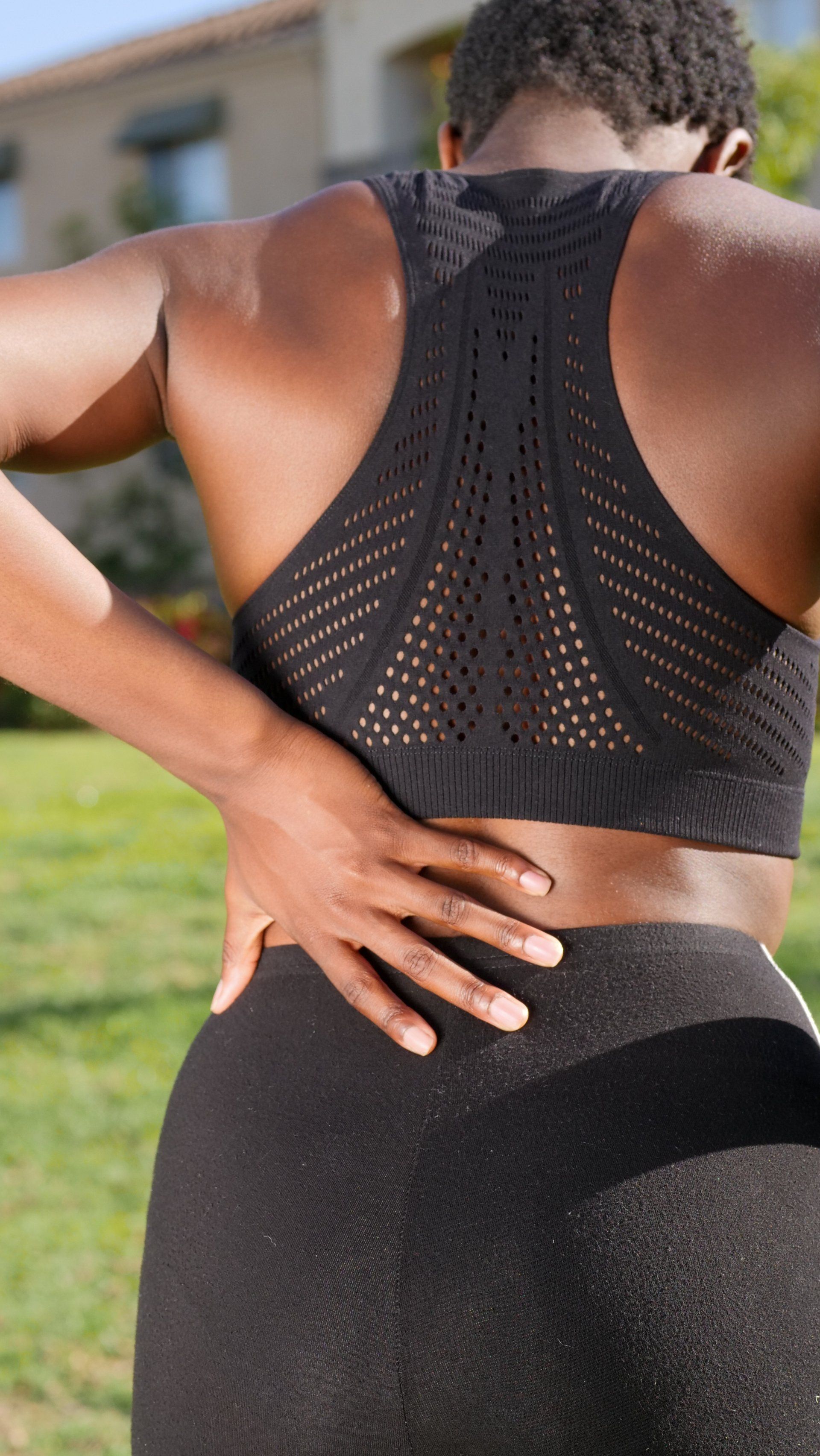
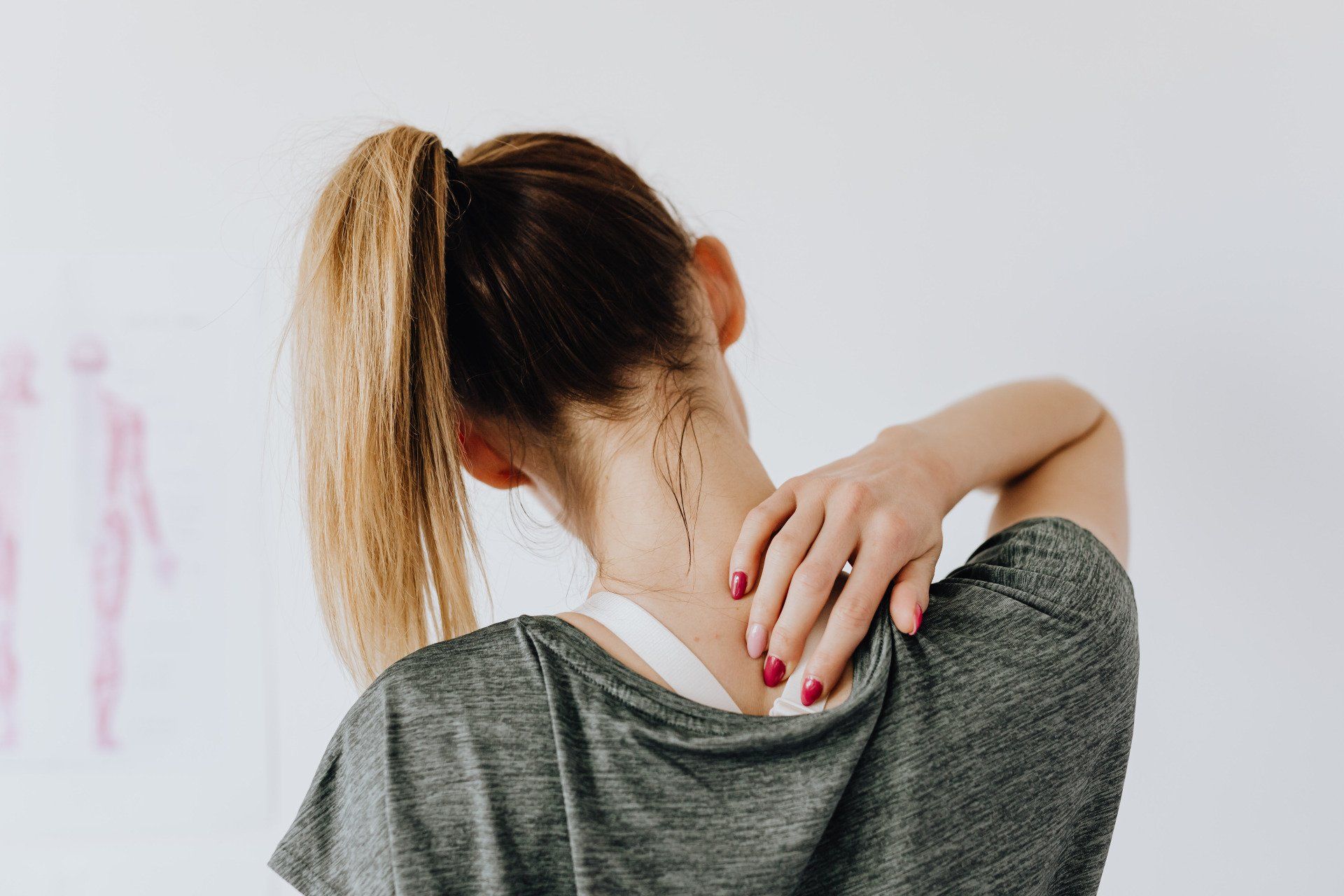
DOMS is the muscle stiffness and tenderness that typically occurs 24–72 hours after intense or unfamiliar exercise. It’s caused by microtrauma in muscle fibres leading to inflammation and temporary loss of strength.
A systematic review of 99 studies found that massage was one of the most effective recovery strategies for reducing DOMS and perceived fatigue after exercise (1). Similarly, another meta-analysis confirmed that massage improves flexibility and muscle soreness, even if it doesn’t directly enhance strength or power performance (2).
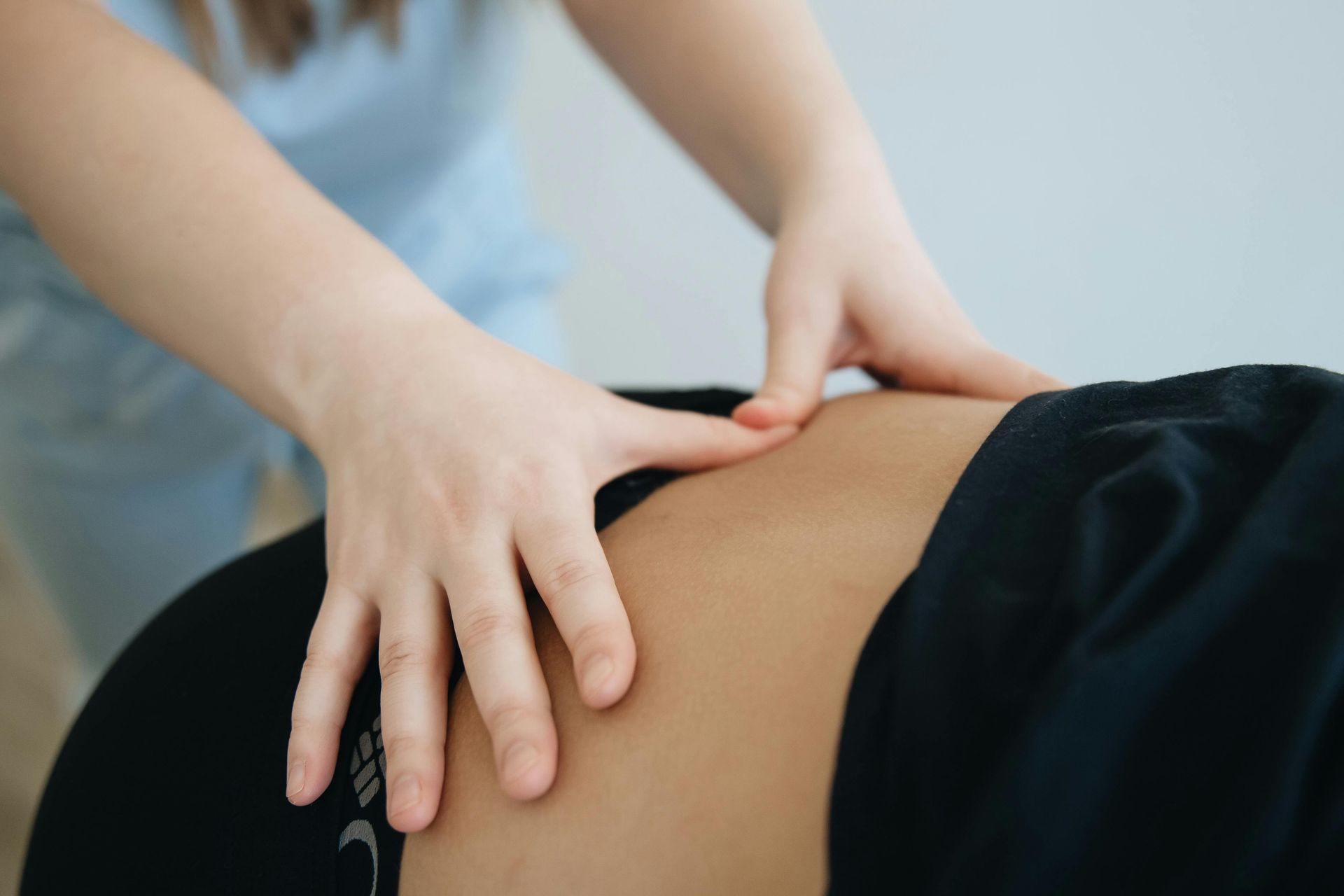
2. Why Sports Massage Helps
Research supports sports massage as a valuable tool for gym recovery:
- Massage reduces blood markers of muscle damage (such as creatine kinase) and inflammation (1).
- It improves joint range of motion and flexibility, allowing more efficient movement patterns (2).
- It has psychological benefits — decreasing anxiety and improving readiness to train again (3).
This makes post-gym massage a key element of an evidence-based recovery plan.
3. Combine Massage with Active Recovery
Massage works best when paired with active recovery — low-intensity movement such as walking, swimming, or mobility drills. These activities promote blood flow and reduce residual stiffness.
Research consistently shows that the most effective recovery programs are multifactorial, combining massage, gentle activity, and good sleep hygiene (1).
4. Nutrition, Hydration, and Sleep: The Unsung Heroes
Massage helps the muscles, but recovery happens systemically. To maximise your sports massage session:
- Rehydrate properly after your workout.
- Consume a balanced meal rich in protein and carbohydrates within 1–2 hours post-training.
- Prioritise 7–9 hours of quality sleep, as growth hormone release peaks during deep sleep and aids muscle repair.
5. When and How Often to Book a Massage
- After heavy gym sessions, book a sports massage within 24–48 hours.
- For regular exercisers (3–5 sessions per week), a massage every 1–2 weeks is ideal for prevention and recovery.
- For moderate exercisers, monthly sessions may suffice.
After a sports massage, allow a rest period of around 24 hours before heavy training, since soft tissues may be temporarily more pliable (4).
Effective recovery is what separates consistent athletes from injured ones. By combining smart training with evidence-based sports massage, you’ll recover faster, move better, and train harder — without setbacks.
If you’re based in Hendon or North London, book your sports massage in Hendon today and experience how professional recovery can transform your performance.
References:
1) Poppendieck, W. et al. (2016). Massage and performance recovery: a meta-analytical review. British Journal of Sports Medicine, 50(18), 1292–1301.
2) Guo, J. et al. (2020). Effects of massage on delayed onset muscle soreness and recovery of muscle function: a systematic review and meta-analysis. Frontiers in Physiology, 11, 1228. https://pubmed.ncbi.nlm.nih.gov/32426160/
3) Arroyo-Morales, M. et al. (2011). Psychophysiological effects of massage after exercise. Journal of Strength and Conditioning Research, 25(2), 532–539.
4) Katie Bell Physiotherapy. (2023). How long should you rest after a sports massage?